Developing a fully implantable, battery-free brain-computer interface for real-time decoding of speech and movement.

ABILITY Neurotech
Geneva (Campus Biotech, CH)New on Amplifa
About ABILITY Neurotech
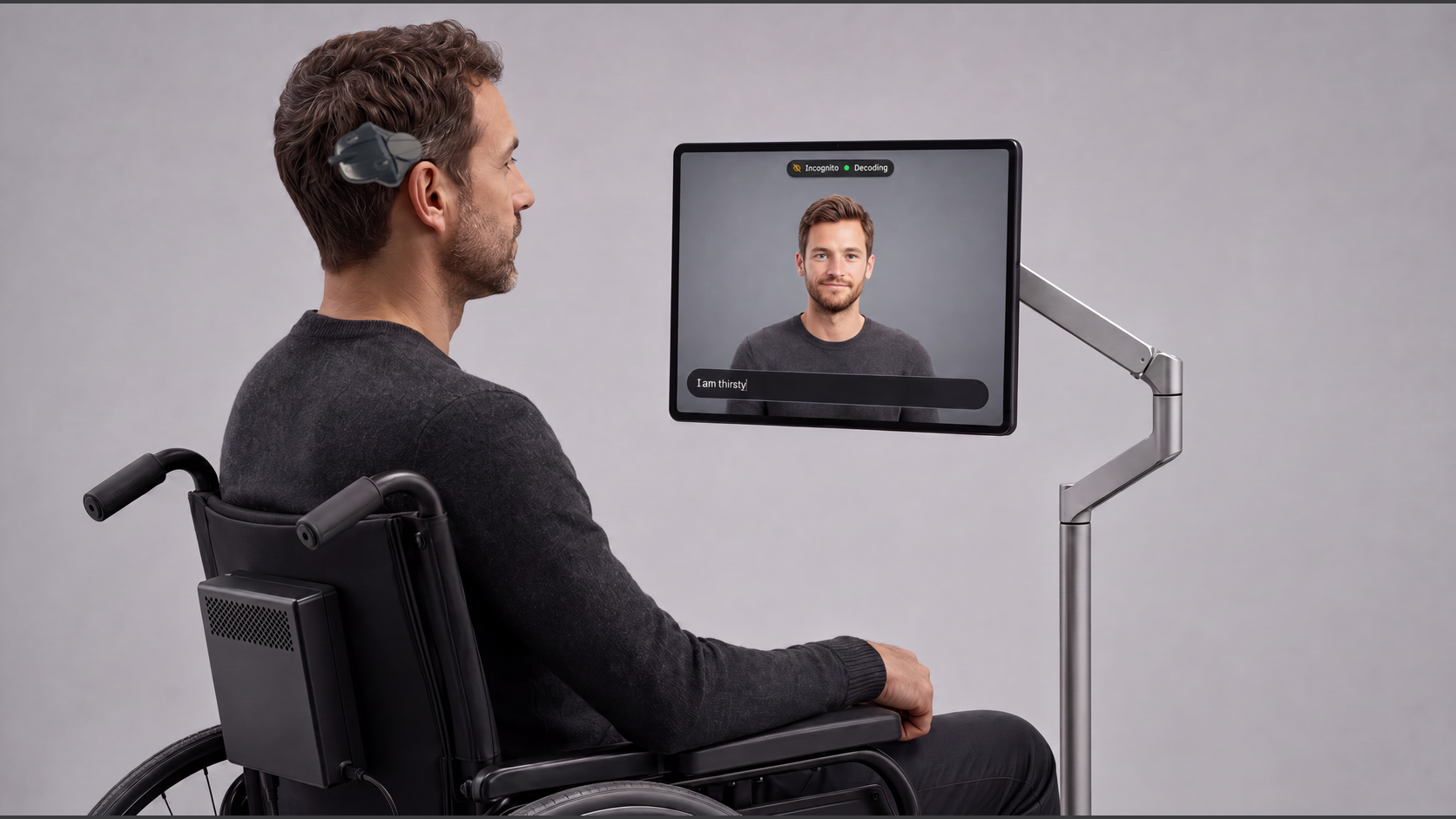
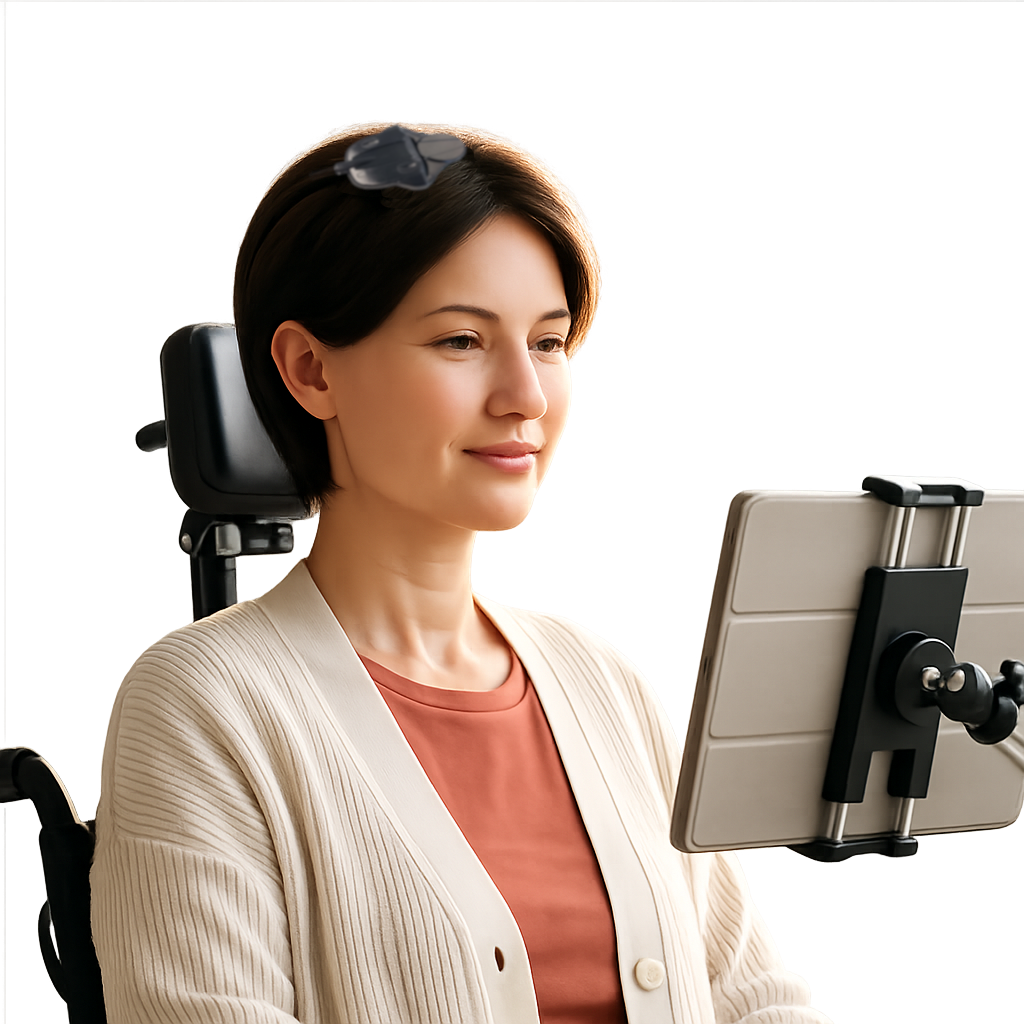
ABILITY Neurotech is a medical technology company based at Campus Biotech in Geneva, spun out of the Wyss Center for Bio and Neuroengineering. The company is developing a fully implantable, battery-free brain-computer interface (BCI) that transmits complete raw neural signal data wirelessly through the skin. The platform comprises four components: the implant with highly sensitive ECoG electrodes (up to 128 channels) in a hermetically sealed titanium housing under 5 mm in height, a magnetically coupled headpiece, an external processor, and a mobile app. A patented laser-based optical data link transmits the signals losslessly at up to 50 Mbps through intact skin, with no battery in the implant — power is supplied inductively. AI-based decoding algorithms convert brain signals into speech and movement commands in real time. Clinical partners are TUM University Hospital Rechts der Isar (Munich), UMC Utrecht, TU Graz and the Wyss Center; first chronic implantations in ALS patients are in preparation.
- Site
- Geneva
- Processes
- End-to-end BCI platform (implant, headpiece, processor, app), Neural signal processing and decoding, AI-based real-time decoding of speech and movement
- Materials
- Titanium, ECoG Electrodes, Optical Data Link
- Founded
- 2025
- Employees
- 11-50
- Industries
- Medical technology, Neurotechnology / Brain-Computer Interfaces, Medical device manufacturing
- 01
Implant development (electronics, titanium housing, optics)
- 02
ECoG electrode integration
- 03
Signal processing and optical data transmission
- 04
AI-based neural decoding (headpiece, processor, app)
- 05
Clinical trials and regulatory approval
Technologies & Materials
Titanium
Hermetically sealed titanium housing for permanent implantation of the miniaturized electronics.
ECoG Electrodes
High-density electrode arrays on the brain surface with up to 128 channels for high-resolution, long-term stable recordings.
Optical Data Link
Patented laser-based infrared data link for wireless transmission of raw data through intact skin at up to 50 Mbps.
Location
Geneva
CHHeadquarters
Platform Components
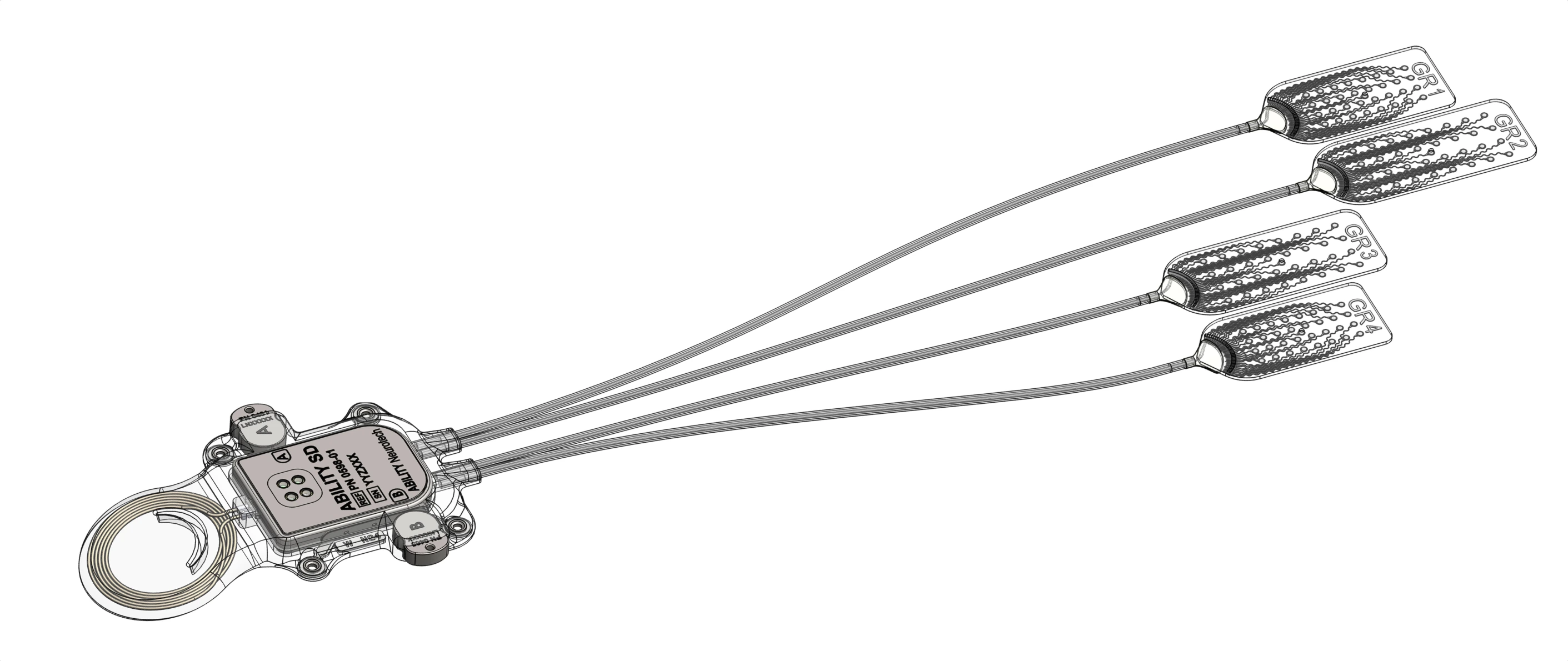
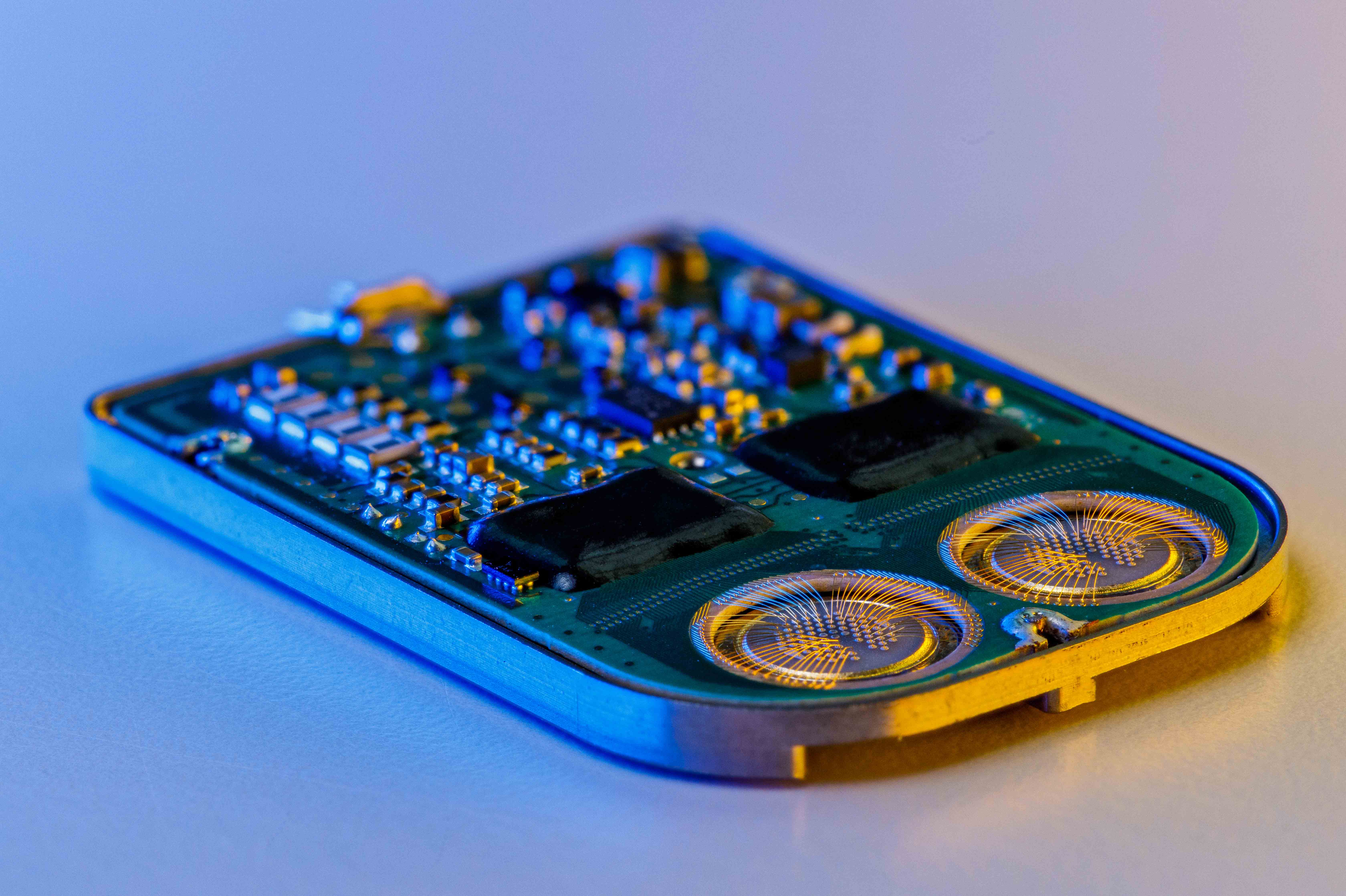
Inside the production
Industries
Additional services
Reference customers
Our History
- 2014
Professor John Donoghue, founding director of the Wyss Center Geneva, designs the basic concept of the fully implantable BCI that later becomes ABILITY.
- 2018–2024
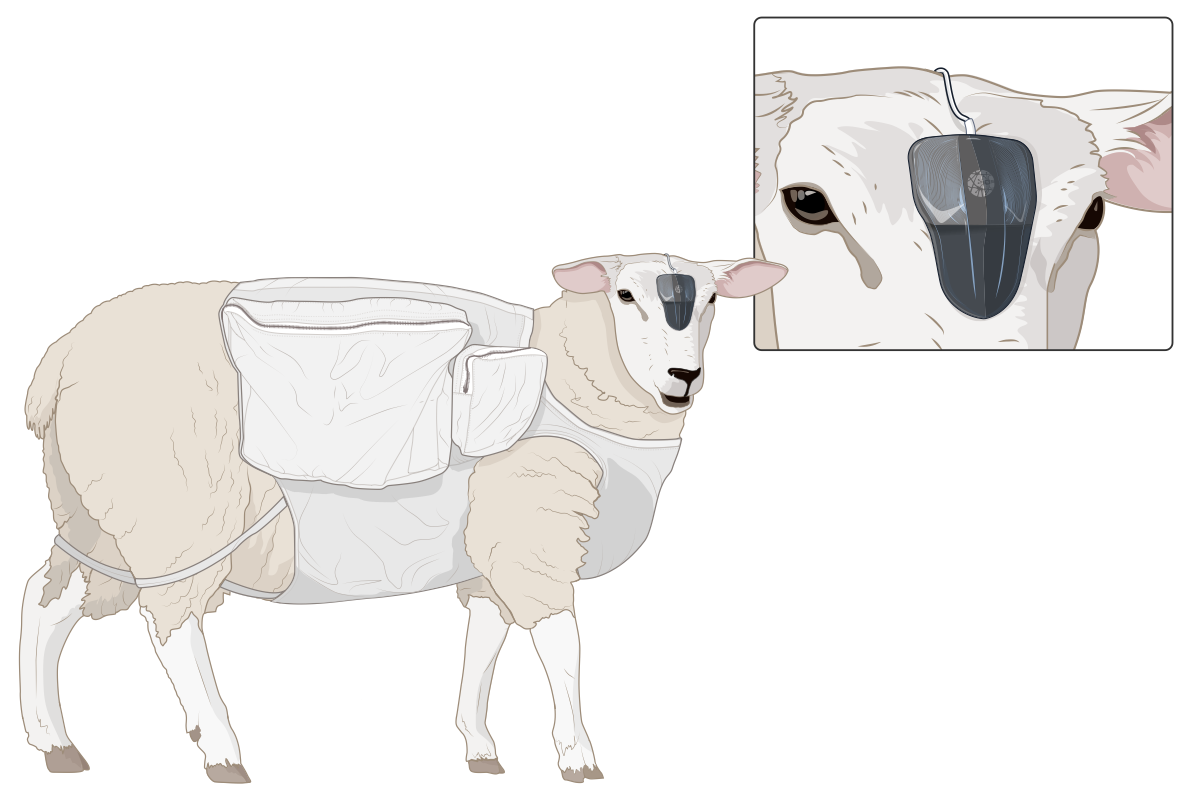
Research program at the Wyss Center develops implantable electronics, optical data links and decoding algorithms; several preclinical studies in sheep and non-human primate models.
- 2020
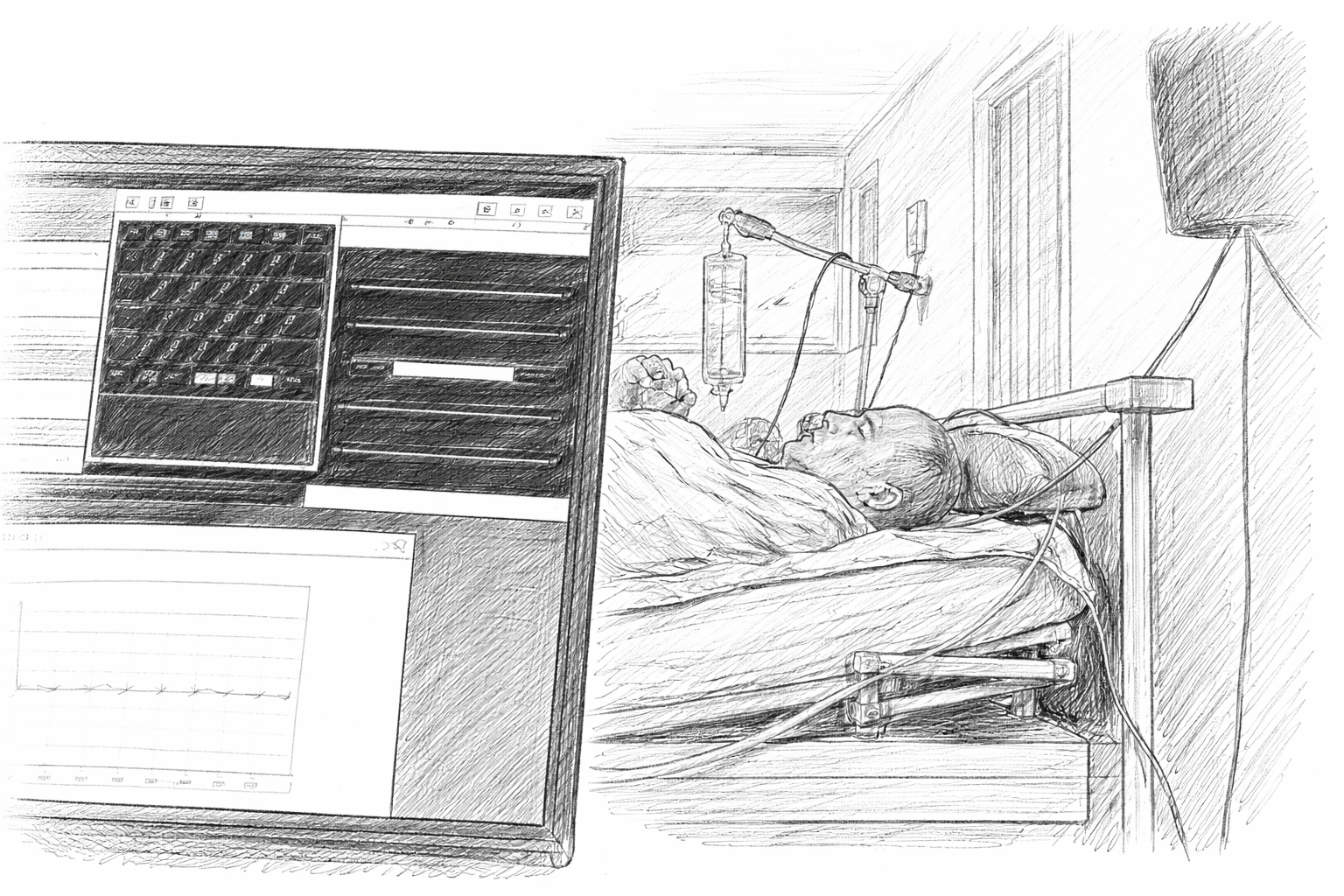
Clinical study: completely paralyzed ALS patient communicates via implanted electrodes over two years in a home setting (publication in Nature Communications).
- 2025
March: spin-out from the Wyss Center as ABILITY Neurotech, based at Campus Biotech in Geneva.
- 2026
May: IMDD approval by NedMec (Netherlands) for the first chronic implantation study in ALS patients at UMC Utrecht (INTRECOM consortium).
- 2026
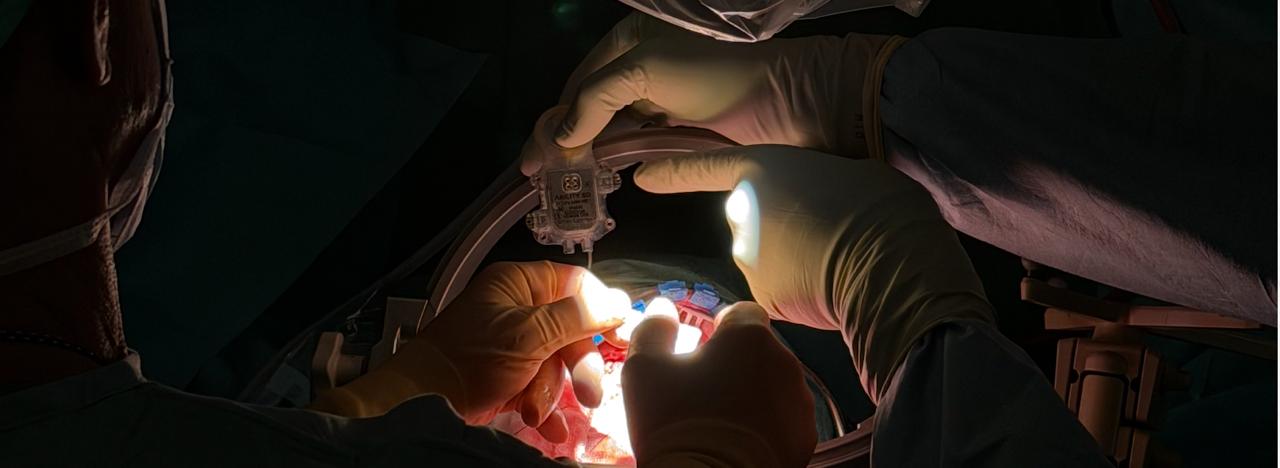
July: First-in-Human procedure at TUM University Hospital Rechts der Isar (Munich); chronic First-in-Human implantation planned for Q4 2026 with TU Graz and UMC Utrecht.