Bell casting in the traditional loam mould process: bronze bells, peals, carillons, bell frames and fittings since 1725
Glockengießerei Bachert GmbH
Neunkirchen/Baden · Headquarters, Foundry/WorksNew on Amplifa
Bell casting since 1725
The Glockengießerei Bachert GmbH in Neunkirchen/Baden casts bronze bells for churches, monasteries, town halls and carillons in Germany and internationally. The family business, now in its eighth generation, casts every bell as a unique one-off using the traditional loam mould process and combines this craft with modern acoustic research and precise calculation of the bell profile. The product range includes complete peals, carillons and chimes (mechanically and electronically controlled), brass and ship's bells, bronze plaques and reliefs, as well as bell frames, headstocks, clappers, ringing systems, sound louvres and free-standing bell towers in wood or steel, including structural and foundation engineering. In addition, historic bells are restored and existing installations are maintained. References include seven bells for the Dresden Frauenkirche and five bronze bells for the Minster of St. Stephen in Breisach. Production takes place at the headquarters at Ernst-Schmitthelm-Straße 7 in Neunkirchen.
- Site
- Neunkirchen/Baden
- Processes
- Bell casting in the traditional loam mould process (bell casting), Casting, Bell decoration: modelling in wax (lost-wax process) – reliefs, inscriptions, ornaments, Bell tuning / partial-tone adjustment (sound concept and disposition of peals), Manufacture of bell frames in wood or steel incl. structural/foundation engineering, Bell supports & free-standing bell towers (wood/steel structures), Manufacture of wooden headstocks (from solid oak), Open-die forged clappers (individually adapted)
- Materials
- Bronze (bell bronze), Bronze casting alloys, Brass alloys, Solid oak, Wood (bell frames, sound louvres), Steel (load-bearing structures, fittings), Loam (moulding material), Bell bronze
- Founded
- 1725
- Industries
- Churches and parishes, Monasteries, Cities and municipalities (town halls, towers), Shipbuilding, Heritage conservation
- 01
Sound concept and disposition
- 02
Model making of the bell profile
- 03
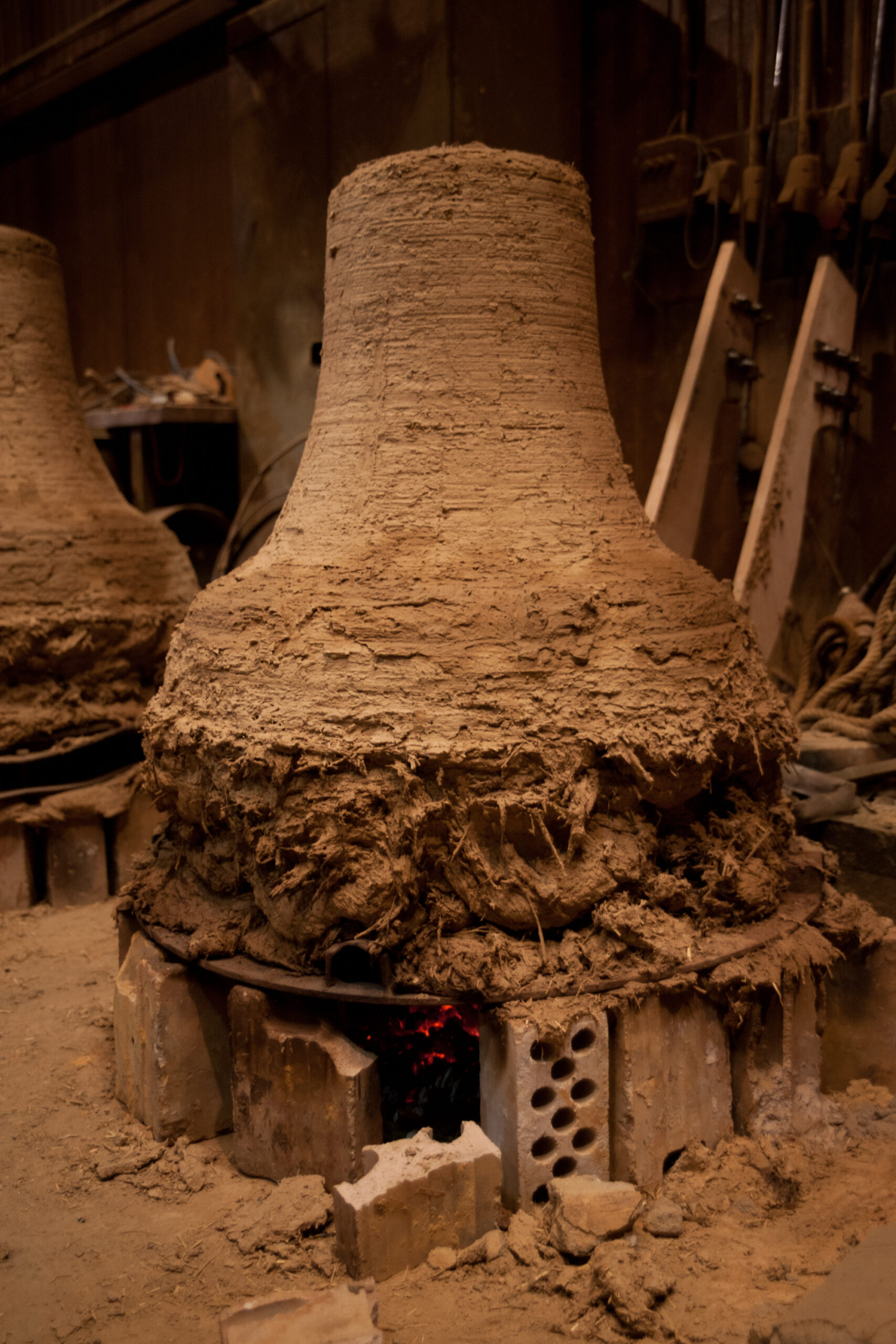
Construction of the core and mantle (loam mould)
- 04
Bell decoration in wax
- 05
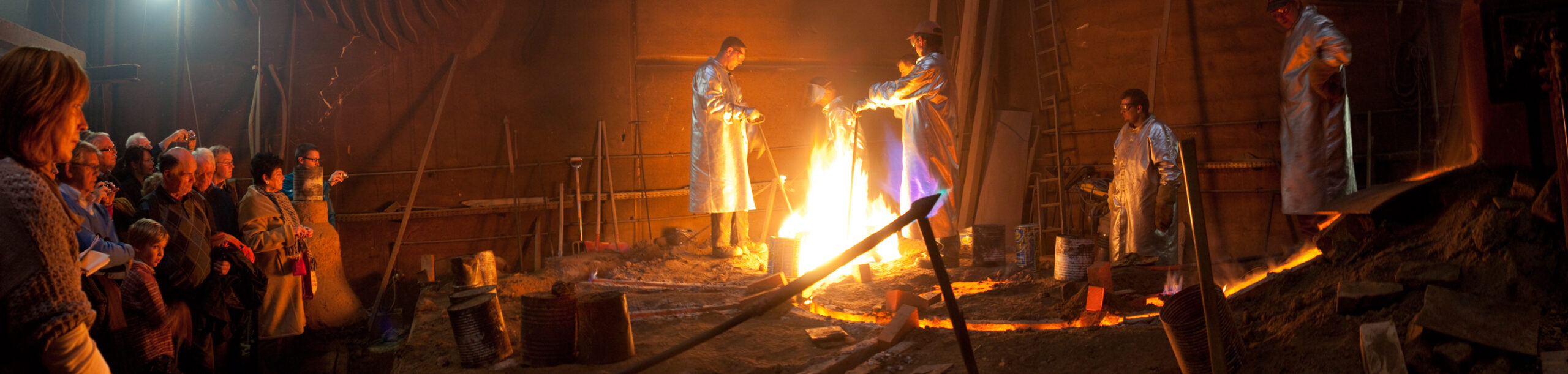
Bronze casting
- 06
Stripping out and finishing
- 07
Bell tuning and partial-tone adjustment
- 08
Manufacture of fittings, frame and louvres
- 09
Delivery and installation
- 10
Maintenance
Materials and processes
Bell bronze
Main material for church bells, carillons and bronze plaques, cast using the loam mould process.
Brass alloys
For ship's bells, signal bells and table bells; easily polished and suitable for fine engravings.
Steel
For the load-bearing structures of bell frames, bell supports, towers and fittings.
Solid oak
For wooden headstocks, bell frames and sound louvres; load-bearing, weather-resistant and proven for vibration.
Loam (moulding material)
Moulding material of the traditional loam mould process for the core, false bell and mantle.
Location
Neunkirchen/Baden
DEHeadquarters, Foundry/Works
- Lot size
- Single pieces/unique items
- Materials
- Bronze, brass, steel, wood
Components and products
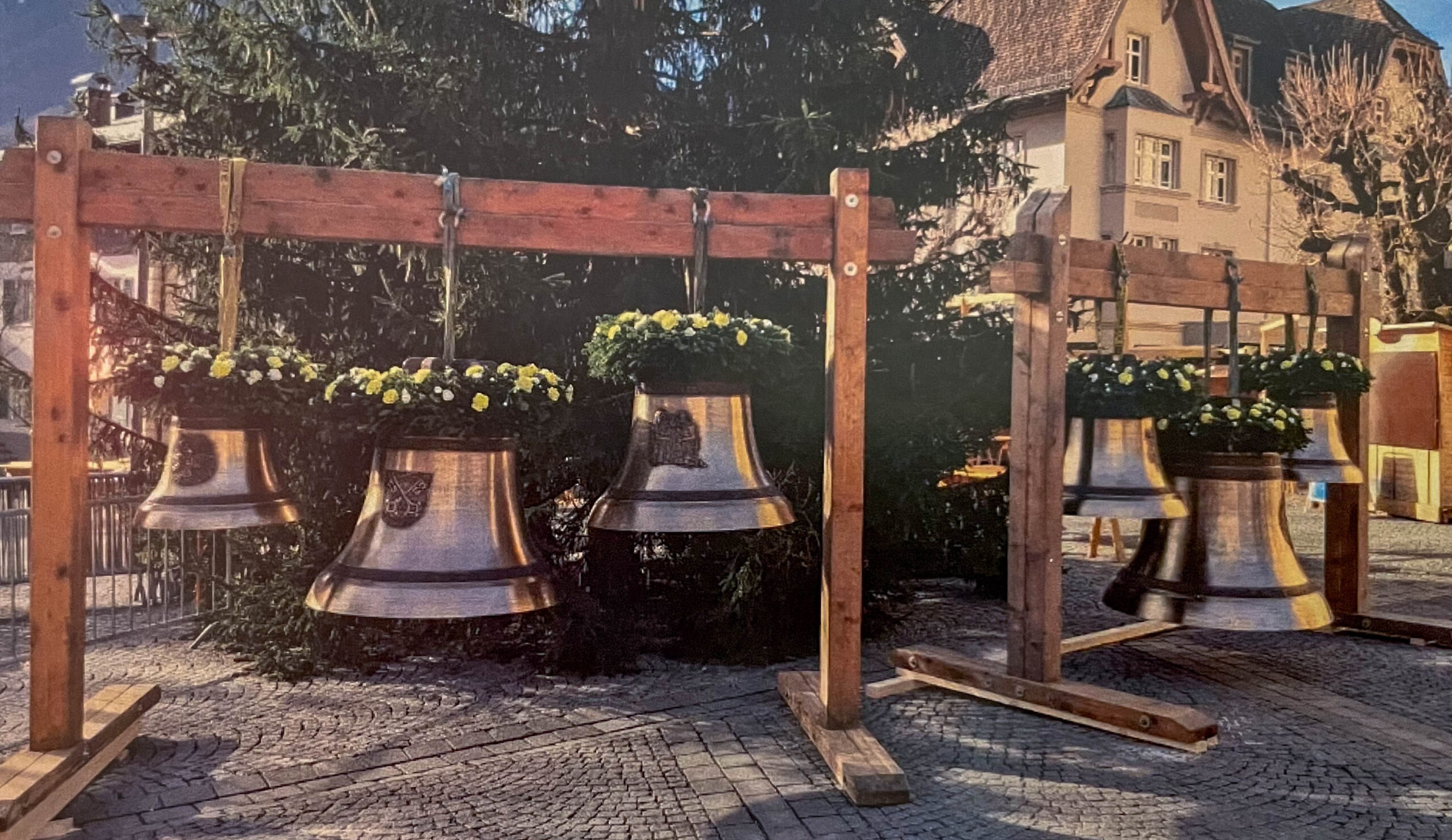
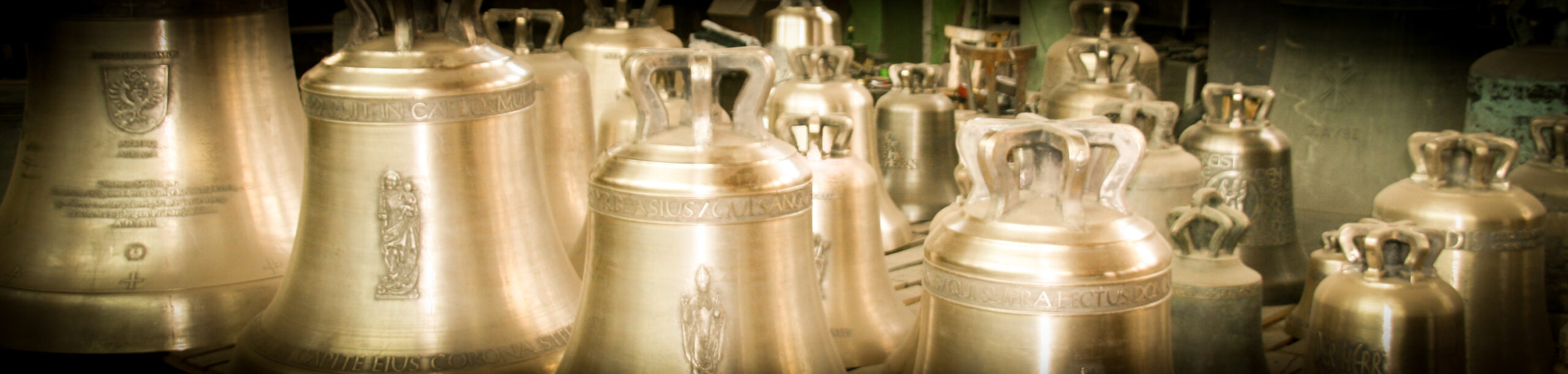
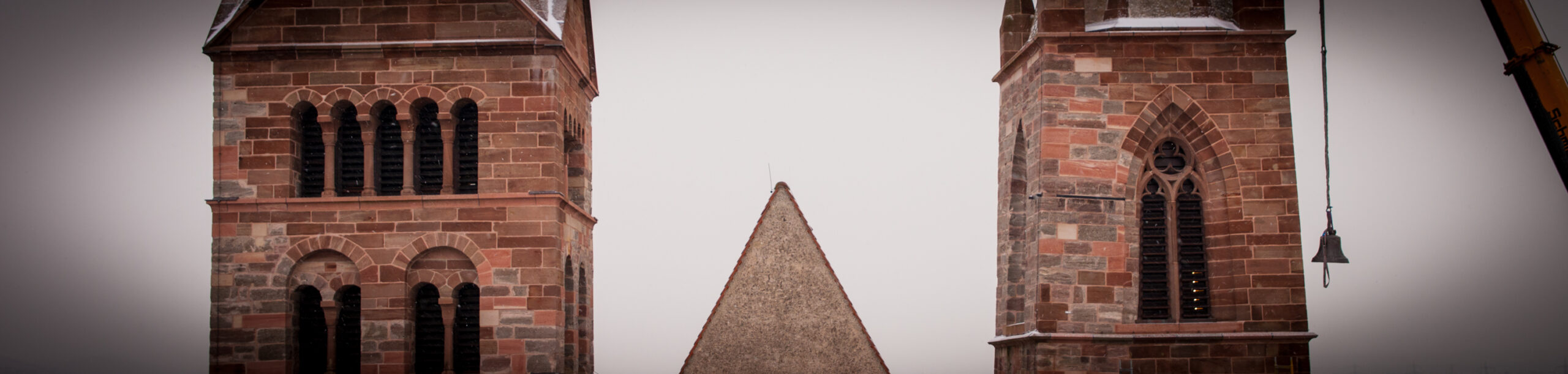
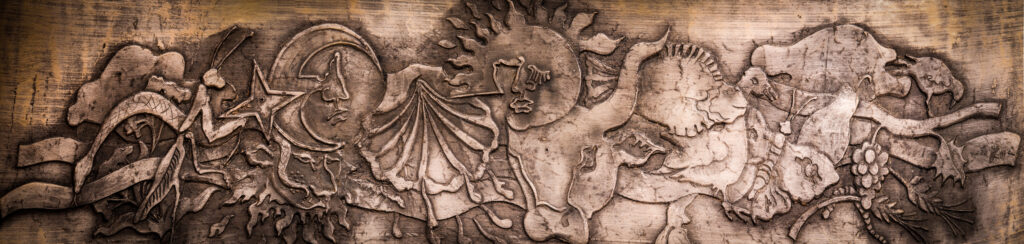
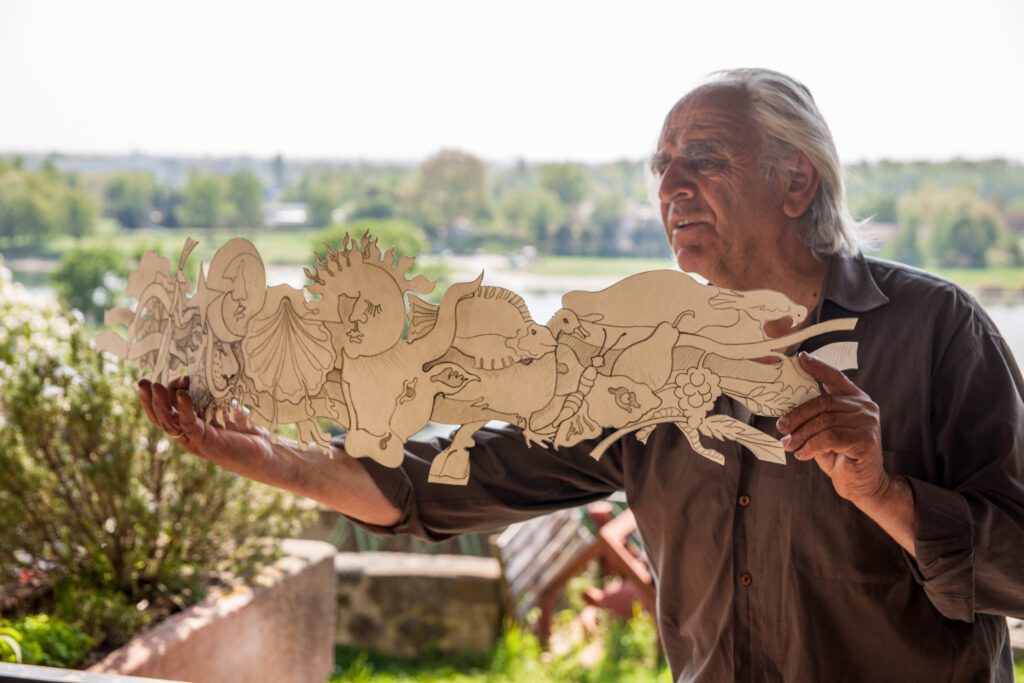
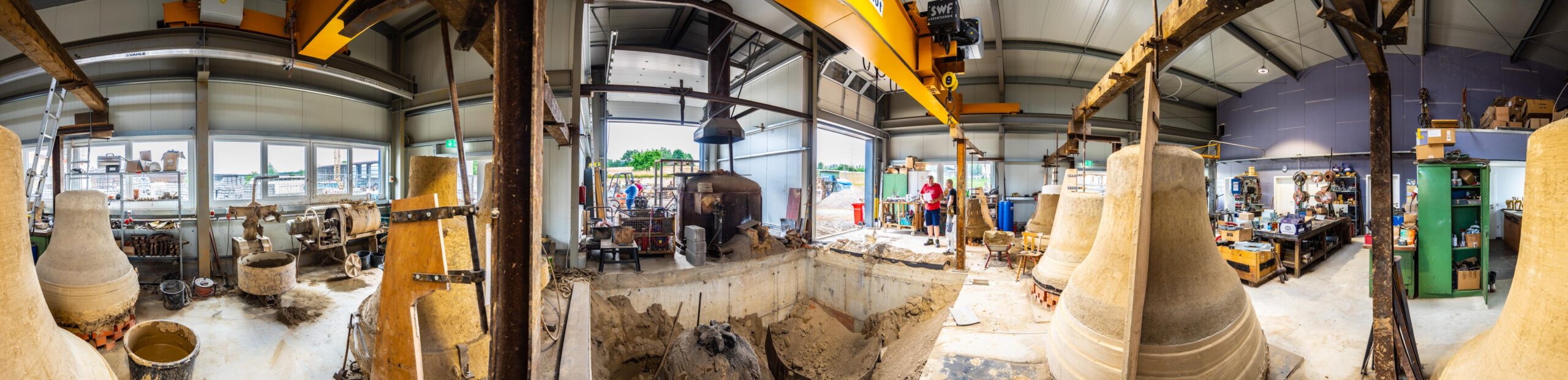
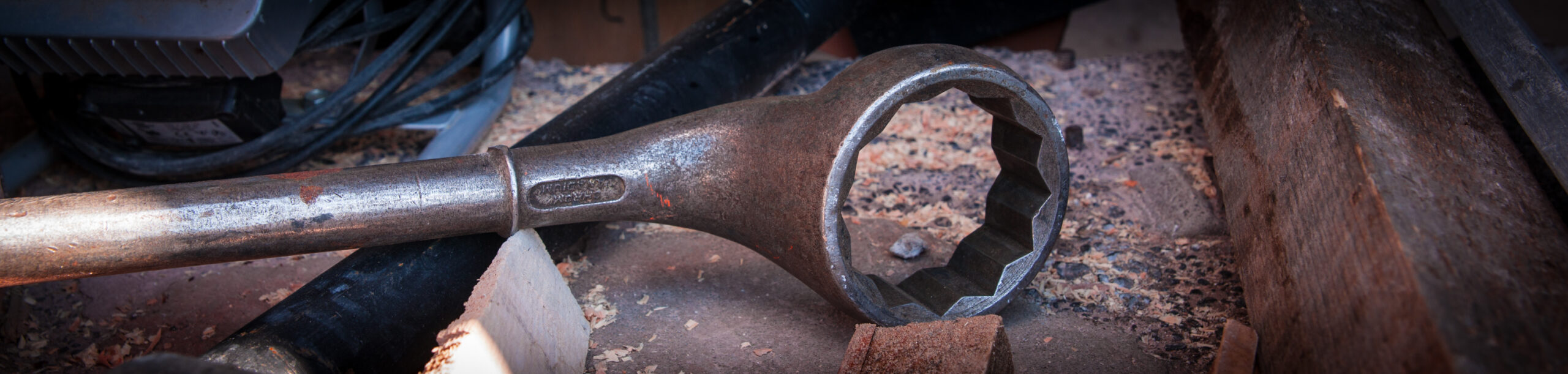
Inside the production
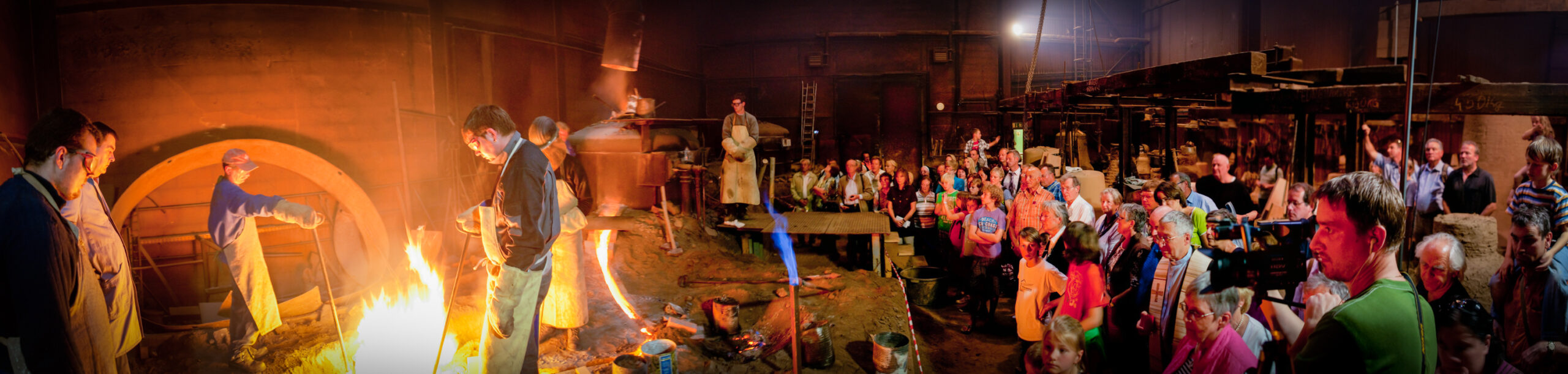
Industries
Processes & technical limits
| Processes | Tolerance | Max. part | Weight | Lot size | Materials |
|---|---|---|---|---|---|
| Bell casting in the traditional loam mould process (bell casting)Casting | – | – | – | Single pieces/unique items | Bronze (bell bronze) |
| Casting Casting | – | – | – | – | Bronze |
| Bell decoration: modelling in wax (lost-wax process) – reliefs, inscriptions, ornamentsCasting | – | – | – | – | Wax, Bronze |
| Bell tuning / partial-tone adjustment (sound concept and disposition of peals)Testing | – | – | – | – | Bronze |
| Manufacture of bell frames in wood or steel incl. structural/foundation engineeringAssembly | – | – | – | – | Wood, Steel |
| Bell supports & free-standing bell towers (wood/steel structures)Assembly | – | – | – | – | Wood, Steel |
| Manufacture of wooden headstocks (from solid oak)Joining | – | – | – | – | Oak wood |
| Open-die forged clappers (individually adapted)Forming | – | – | – | – | Metal/steel |
| Manufacture and installation of bell fittings (bearings, axle pins, ringing wheels, swings) incl.Assembly | – | – | – | – | Steel |
| Planning and manufacture of sound louvres (wood or metal)Assembly | – | – | – | – | Wood, Metal |
| Casting of carillons and chimes (mechanical with playing console and electronic/electromagnetic)Casting | – | – | – | – | Bronze |
| Casting of brass and ship's bells, signal and table bells, with engravingsCasting | – | – | – | – | Brass |
| Casting of bronze plaques, reliefs, coats of arms and memorial plaques (hand sketch–model–casting)Casting | – | – | – | – | Bell bronze, Bronze casting alloys |
| Restoration of historic bellsSurface | – | – | – | – | Bronze |
| Delivery and installation of bells (hanging in bell frames)Assembly | – | – | – | – | Bronze |
| Stripping out and finishing of cast bellsSurface | – | – | – | – | Bronze |
Additional services
Reference customers
History
- 1725
Birth of Kaspar Bachert, the founding father of the foundry, to whose work the company refers
- 1745
Kaspar Bachert settles in Dallau and casts bells and fire engines
- um 1770
Founding of the foundry in Dallau by Kaspar Bachert
- 1830
Johann Adam Bachert continues the foundry in Kochendorf
- 1904
Founding of a bell foundry in Karlsruhe (Bannwaldallee 44)
- 1947
Albert Bachert founds a works in Heilbronn with his son Alfred
- 1982
Merger to form the Karlsruhe Bell and Art Foundry
- 1988
Union of the foundries in Bad Friedrichshall-Kochendorf and Heilbronn
- 2002
Casting of the Peace Bell Jesaja for the Dresden Frauenkirche
- 2003
Casting of six further bells for the Dresden Frauenkirche; merger to form Glockengießerei Bachert Karlsruhe GmbH
- 2011
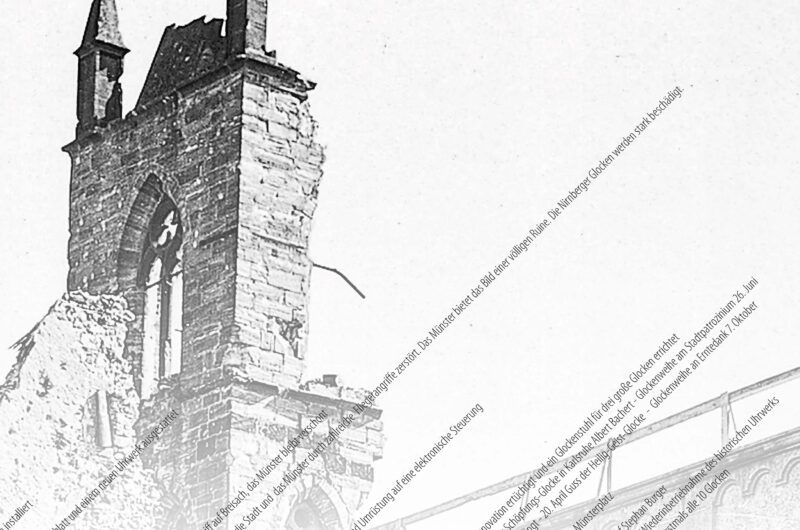
Start of the multi-stage bell project for the Minster of St. Stephen in Breisach (until 2019, five bronze bells)
- 2018
Relocation of headquarters to Neunkirchen (Baden), renamed Glockengießerei Bachert GmbH
- 2021
Nicolai Wieland takes over management; Albert Bachert remains owner